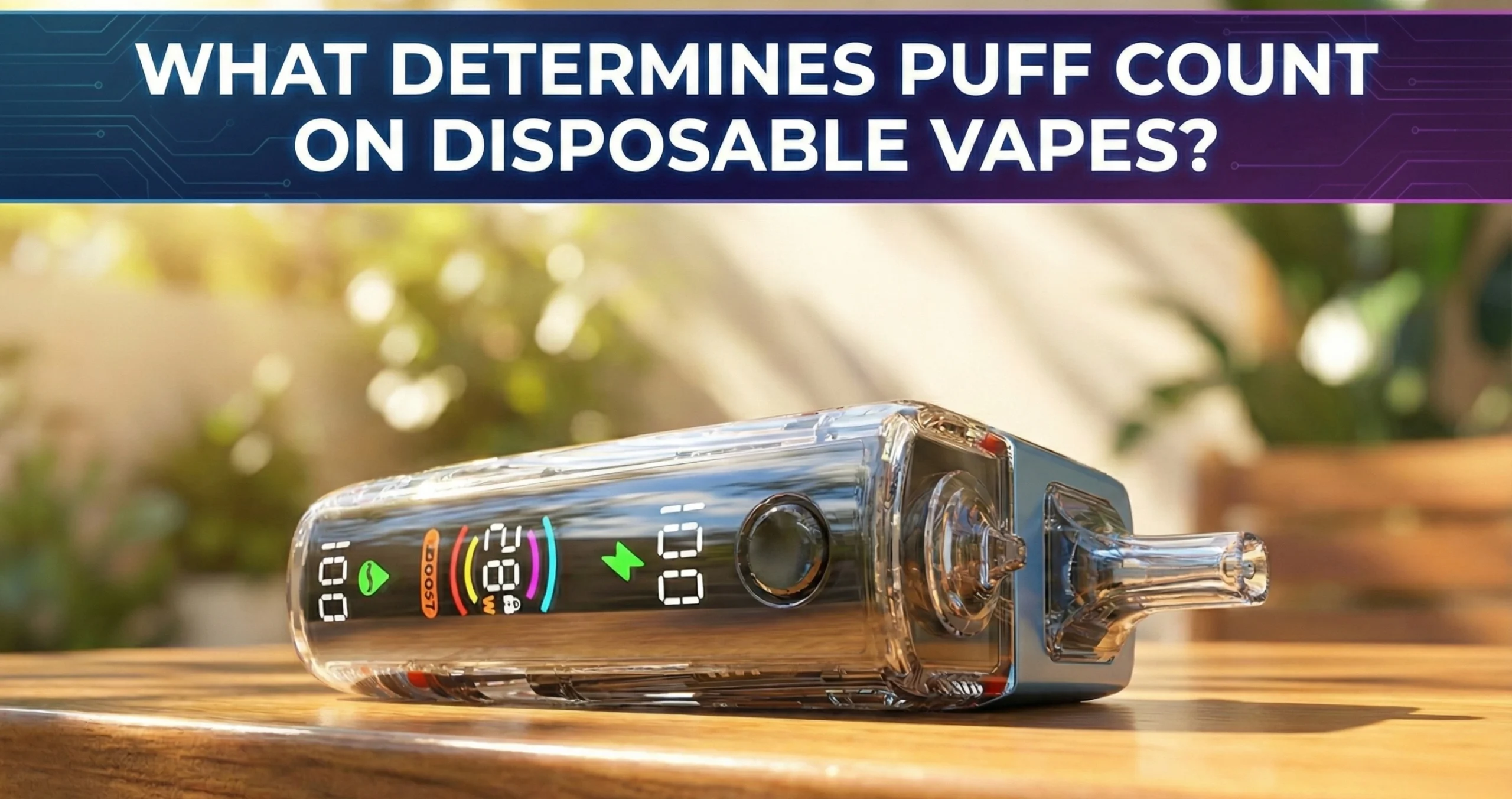
What Determines Puff Count on Disposable Vapes?
Puff count is one of the biggest deciding factors for vape users in the UAE, especially those who want longer-lasting devices without the need for recharging or refilling. In reality, puff count is not a fixed number but an estimate influenced by technical design, e-liquid capacity, airflow, battery strength, and how users actually inhale. Each disposable vape brand calculates puff count based on controlled lab conditions, which means real-life usage in the UAE—where temperatures vary and users may prefer stronger draws—can produce slightly different results. Understanding what shapes puff count helps users choose devices that match their habits, nicotine needs, and daily usage frequency.
The Main Factors That Control Puff Count
The longevity of a disposable vape depends on how efficiently it converts stored e-liquid and battery power into vapor. Everything inside the device works as a closed system—coil resistance, wick saturation, airflow design, and vapor output. When these components work in harmony, the device can produce more puffs from the same amount of e-liquid. Puff count also depends on how tight or loose the airflow is, since tighter draws consume less liquid per puff, while open airflow produces denser clouds but burns through liquid faster.
Battery Capacity and Power Consumption
Battery size influences how long the heating element can continue working before the device fully shuts off. Higher-capacity batteries allow the coil to maintain consistent temperature for longer periods, resulting in extended puff life. However, power consumption varies by device. A mesh coil, for example, may use more power to produce richer vapor, slightly reducing puff count compared to regular coils. Environmental factors matter too—UAE heat can cause batteries to drain faster or trigger performance variations when devices are stored inside cars or exposed to direct sunlight.
E-Liquid Capacity
E-liquid capacity is one of the most direct determinants of puff count. Larger tanks simply hold more liquid, enabling more puffs when paired with efficient vaporization technology. Yet not all milliliters produce the same number of puffs; coil type, wattage output, and airflow design can alter how quickly liquid is consumed. Devices designed for smoother, cigarette-like throat hits typically use e-liquid more slowly, while high-vapor systems consume liquid at a faster rate. In real UAE conditions, especially in dry climates, users may also take longer drags, which further influences how long a device lasts.
Coil Type and Heating Efficiency
The coil is the heart of the disposable vape and heavily affects puff count. Mesh coils heat evenly and produce better flavor, but they often consume more e-liquid per puff because of their larger surface area. Standard wire coils use liquid more conservatively but may not deliver the same richness. Coil efficiency also relates to how quickly the wick saturates and how effectively the heating element vaporizes the liquid without overheating or producing dry hits. A well-designed coil extends overall puff count by maintaining consistent performance throughout the device’s life.
Nicotine Salt Strength and Puff Behavior
Nicotine strength influences how users inhale. Higher nicotine salt levels satisfy cravings faster, often resulting in shorter puff durations and fewer total puffs consumed throughout the day. Lower nicotine levels encourage deeper and longer draws, increasing e-liquid consumption and decreasing puff count. This behavior pattern plays a major role in real-life usage. In the UAE, where many heavy smokers switch to disposables, stronger nicotine blends often lead to more controlled usage, indirectly extending device life.
Puff Duration and User Style
Puff count varies dramatically based on how individuals vape. Longer drags produce larger clouds but quickly reduce the total number of puffs. Short, sharp cigarette-like puffs use less vapor per inhale, extending device longevity. User style also includes frequency—chain vaping heats the coil continuously, causing more liquid to vaporize per session. Meanwhile, casual or occasional users can stretch a disposable vape over multiple days. Puff count estimates on packaging are based on moderate puff durations, which may differ from actual user habits.
Airflow System and Vapor Output
Airflow design affects resistance and vapor density. A tight MTL (mouth-to-lung) airflow restricts vapor production, creating smaller puffs and maximizing overall count. Open airflow increases cloud output and flavor but uses liquid and battery more aggressively. Advanced disposables may use smart airflow sensors and optimized inlet shapes to balance flavor with efficiency. The more open the airflow, the fewer total puffs a user will get.
How UAE Users Can Choose the Right Puff Count
Choosing the right puff count in the UAE depends on personal usage patterns, nicotine requirements, and budget. Light users may prefer low to mid-range puff counts without worrying about longevity, while heavy smokers often look for 7000–20000-puff devices to avoid frequent replacements. Climate also plays a role—high temperatures in the UAE can influence battery behavior, making it important to pick reliable, ESMA-approved brands with stable performance. Understanding how much you vape per day helps users match their lifestyle to the correct puff range, ensuring consistent satisfaction without constant re-purchasing.